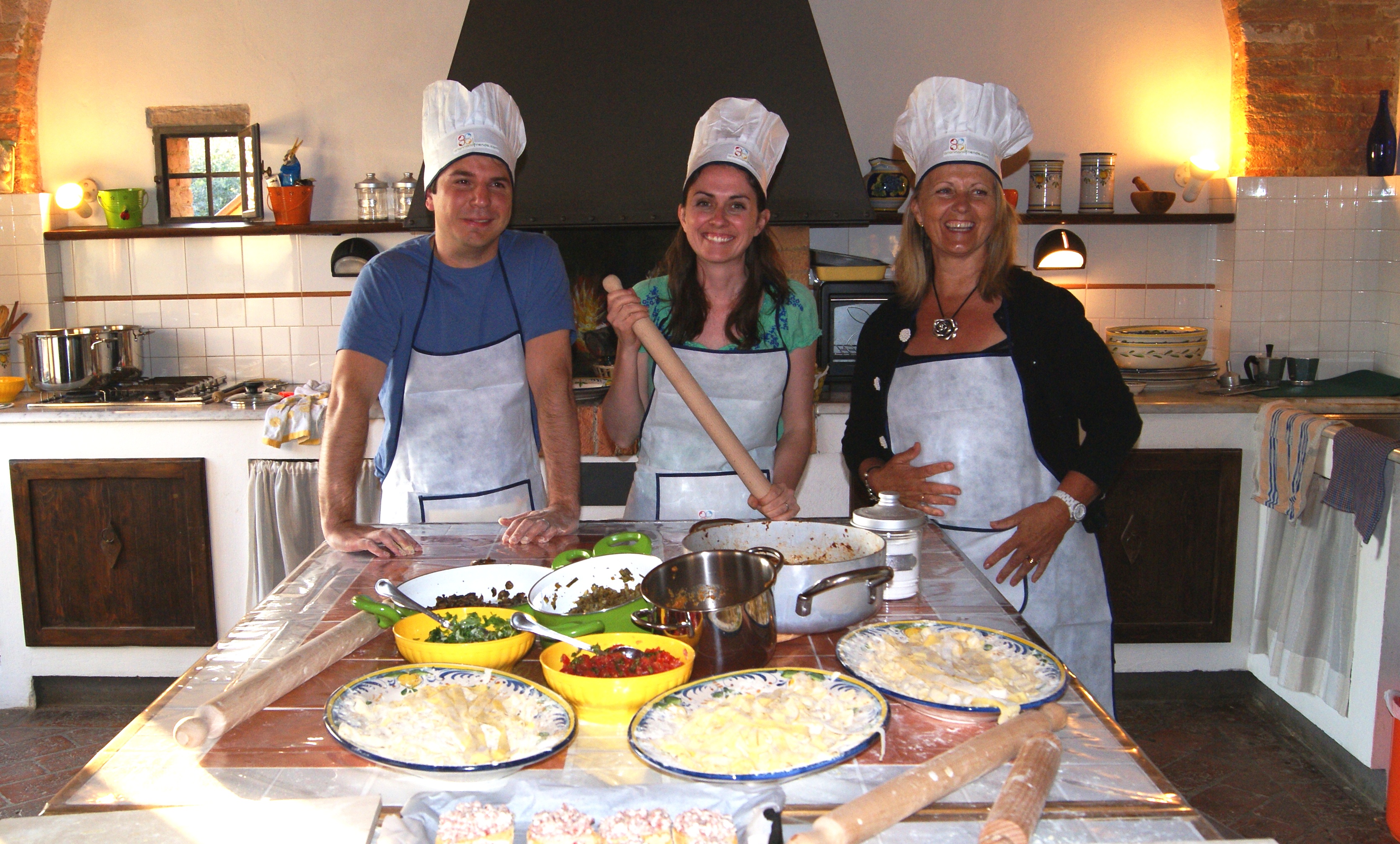
Hands-on culinary education for curious cooks and aspiring food enthusiasts
Turn Everyday Ingredients Into Something Extraordinary
Discover a more creative approach to cooking through practical lessons, inspiring recipes, and approachable techniques. Build kitchen confidence, experiment with new flavors, and learn skills you can bring to your own table.
Hands-on cooking lessons
Baking and pastry skills
Flavor and technique workshops
Practical kitchen guidance
Personal culinary development
A creative learning space for home cooks, food lovers, and future culinary professionals
Culinary Canvas brings cooking education into focus through structured lessons, practical demonstrations, and opportunities to develop real kitchen skills. Our approach combines foundational knowledge with creative exploration, helping students understand not only how to follow a recipe but also why ingredients behave differently, how techniques influence texture, and what makes flavors work together. From first attempts at preparing a balanced meal to more ambitious culinary projects, each learning experience encourages curiosity, precision, and a willingness to experiment.
Great cooking begins with technique, not complicated recipes
Becoming a more capable cook involves much more than collecting recipes. Learning to handle a knife safely, control heat, season thoughtfully, prepare ingredients efficiently, and recognize when food is ready creates a dependable foundation for countless dishes. Our course selection balances essential kitchen practices, creative baking sessions, flavor-focused workshops, and lessons that help students develop their own cooking style.
Choose classes according to your experience, culinary interests, available time, and the techniques you want to master.
Review course descriptions and preparation notes to understand required ingredients, equipment, and practical activities before your lesson.
Build confidence through guided practice, thoughtful feedback, and skills that can be repeated in your everyday kitchen.
How thoughtful preparation transforms your cooking experience
Cooking becomes more enjoyable when ingredients are ready, equipment is within reach, and each step has a clear purpose. Rushing between preparation and cooking can lead to uneven results, missed seasoning, and unnecessary stress. Culinary Canvas encourages a more organized approach that helps students understand their recipes, manage their time, and concentrate on developing practical culinary skills.
Before you begin cooking
Read the recipe carefully, check ingredient quantities, and estimate how much time each stage will require.
Prepare your workspace, gather the necessary utensils, and measure ingredients before starting a technique or recipe.
Review kitchen hygiene, safe knife handling, ingredient storage, and equipment instructions before working with food.
While preparing a dish
Work through each stage with attention to texture, temperature, timing, and seasoning. Taste when appropriate, observe how ingredients respond to heat, and adjust your technique when the result differs from what you expected. Learning to recognize these changes helps you become less dependent on rigid instructions and more confident in making informed decisions in the kitchen.
Learn through practical experience
Build your skills one technique at a time
A productive learning journey begins with manageable tasks and gradually introduces more demanding methods. Culinary Canvas helps students explore essential preparation skills before moving into complete recipes, creative combinations, and more advanced cooking projects. Whether you want to prepare weekday meals more confidently, understand the science behind baking, or expand your repertoire for special occasions, a well-planned progression makes each new challenge easier to approach.
Essential techniques
Practice knife skills, ingredient preparation, heat control, accurate measuring, and safe kitchen habits.
Guided cooking sessions
Follow a complete dish from initial preparation through cooking, seasoning, presentation, and final evaluation.
Independent practice
Apply familiar methods to new ingredients, experiment with flavors, and develop your own approach to everyday cooking.
Three stages for developing confidence in the kitchen
Prepare and understand
Start by reviewing the recipe, identifying essential ingredients, arranging your tools, and learning the purpose of each preparation step. A clear setup creates more room to concentrate on technique instead of searching for equipment or correcting avoidable mistakes.
Practice and refine
Work through guided cooking exercises that develop control over timing, temperature, consistency, and seasoning. Observe the results, ask questions, and use feedback to understand which adjustments can improve the flavor, texture, and appearance of your dishes.
Present and reflect
Complete your dish with thoughtful presentation, evaluate the finished result, and identify techniques worth practicing again. Reviewing what worked and what could improve turns each cooking experience into a useful foundation for future meals and more ambitious culinary projects.
Essential cooking techniques and course preparation resources
Every successful dish relies on a combination of preparation, technique, timing, and attention to detail. Culinary Canvas organizes its learning materials around the practical skills that help students work confidently in the kitchen, understand their ingredients, and approach unfamiliar recipes with a clear plan.
Ingredient preparation:
learn to wash, peel, measure, portion, and organize ingredients efficiently before cooking begins.
Knife techniques:
practice controlled cutting methods, consistent ingredient sizes, safe handling, and proper knife care.
Heat management:
understand how simmering, sautéing, roasting, steaming, and other cooking methods influence flavor and texture.
Flavor development:
explore seasoning, herbs, spices, acidity, and the balance of contrasting ingredients when building a dish.
Recipe organization:
coordinate preparation stages, cooking times, equipment, and final presentation to complete meals more smoothly.
Essential Kitchen Skills
Knife safety
Ingredient prep
Heat control
Accurate measuring
Flavor balance
Plating basics
Your culinary learning toolkit
A little preparation creates more room for creativity
You do not need a professional kitchen or an extensive collection of equipment to start improving your cooking. A clear lesson plan, a well-organized workspace, and a willingness to practice can make the learning process more effective. Before each class, review the recipe objectives, check your ingredients, and become familiar with the tools you will use. This preparation allows you to spend more time understanding techniques, experimenting with flavors, and learning from the results.
Learn at a pace that suits your experience
Build essential skills before moving into more complex recipes, or use focused workshops to strengthen specific techniques you already know. A suitable learning pace makes room for questions, repetition, and steady improvement.
Make every cooking session count
Review preparation time, cooking stages, and the order of tasks before starting. Understanding which steps can happen together helps you coordinate multiple ingredients without rushing important techniques or compromising the final result.
Create a safe and organized workspace
Keep cutting boards stable, separate raw ingredients where appropriate, maintain clean utensils, and place frequently used equipment within reach. Good organization supports safer food handling and helps you concentrate on the cooking process.
Frequently Asked Cooking Course Questions
Absolutely. Many culinary skills can be learned from the ground up, beginning with kitchen safety, ingredient preparation, basic knife techniques, and simple cooking methods. Choose a class that matches your current experience, and review its description to understand the techniques covered, equipment required, and any preparation expected before the lesson. Starting with foundational skills helps you build confidence before progressing to more complex recipes.
Consider what you most want to learn and how you prefer to work with food. General cooking courses often explore savory dishes, heat control, seasoning, ingredient preparation, and meal planning. Baking classes focus more closely on measurements, dough consistency, mixing methods, oven temperatures, and the relationship between ingredients. If you enjoy both, begin with the subject that interests you most and expand into other techniques as your skills develop.
A professional kitchen setup is rarely necessary for learning fundamental cooking techniques. Many lessons can be approached with basic utensils, suitable cookware, measuring tools, a stable cutting board, and a reliable knife. Equipment requirements depend on the course, particularly for specialized baking or advanced preparation methods. Check the individual class information before purchasing anything, and prioritize versatile, good-quality essentials over expensive tools you may rarely use.
Course suitability depends on the recipes, ingredients, and learning objectives of each session. Some classes may explore plant-based meals, balanced everyday cooking, ingredient substitutions, or particular culinary traditions. Review the published course details and contact the team before enrolling if you have dietary requirements or food allergies. Ingredient substitutions should be discussed in advance because they can affect flavor, texture, food safety, and the success of certain recipes.
Discover Cooking Courses and Practical Culinary Workshops:
Hands-On Cooking Workshops
Develop practical kitchen skills through guided exercises in ingredient preparation, cooking methods, seasoning, and recipe execution. Learn to approach each stage with greater confidence while discovering techniques you can practice in your own kitchen.
Explore practical approaches to preparing satisfying everyday meals, organizing ingredients, balancing flavors, and managing cooking time. These lessons help transform familiar ingredients into versatile dishes while building habits that make regular meal preparation easier.
Refine your understanding of heat control, sauces, ingredient combinations, texture, and presentation. Explore more demanding preparation methods and learn how careful timing and technique influence the quality of a finished dish.
Four important details to review before booking a cooking class
Class Format
Consider whether you prefer a demonstration, guided hands-on practice, or a workshop where participants prepare dishes themselves. The format influences how much time you spend practicing techniques and asking questions.
Equipment and Ingredients
Review the tools, ingredients, and preparation requirements listed for your chosen course. Knowing what is provided and what you should bring helps prevent last-minute purchases and makes it easier to arrive prepared.
Schedule and Arrival
Check the confirmed session date, start time, expected duration, and arrival instructions. Allow enough time to settle in, review any preparation notes, and begin the lesson without unnecessary rushing.
Dietary Needs and Guidance
Ask about ingredient restrictions, allergy considerations, accessibility requirements, and the level of instructor support available. Discuss important needs before booking so the team can clarify whether the selected class is suitable.
Find a cooking course that fits your goals
Begin by identifying the skills you want to develop, your current level of experience, the amount of time you can dedicate to learning, and the type of food you enjoy preparing. Compare course descriptions, review the practical activities included, and check the preparation requirements before making your selection. Whether you want to become more comfortable with everyday meals, improve your baking, explore unfamiliar ingredients, or develop advanced techniques, a suitable course can provide a clear starting point for continued culinary growth.
Experience Level
Explore introductory lessons for essential skills or more focused workshops for cooks ready to refine their techniques and expand their repertoire.
Course Schedule
Confirm session availability, class duration, preparation instructions, and enrollment details through the current course listing.
Culinary Canvas uses essential local storage to remember whether you have dismissed this cookie notice. This setting helps prevent the message from appearing again during subsequent visits. We do not use this notice setting to build advertising profiles. Read our
cookie policy
for more information about website storage and your choices.