Class details
Confirm your session time, course format, recipe instructions, and any equipment or ingredients you need to bring before your lesson begins.
Before your class
Get ready for a rewarding hands-on experience by reviewing your recipe, gathering essential ingredients, and preparing for the techniques you'll practice with Culinary Canvas.
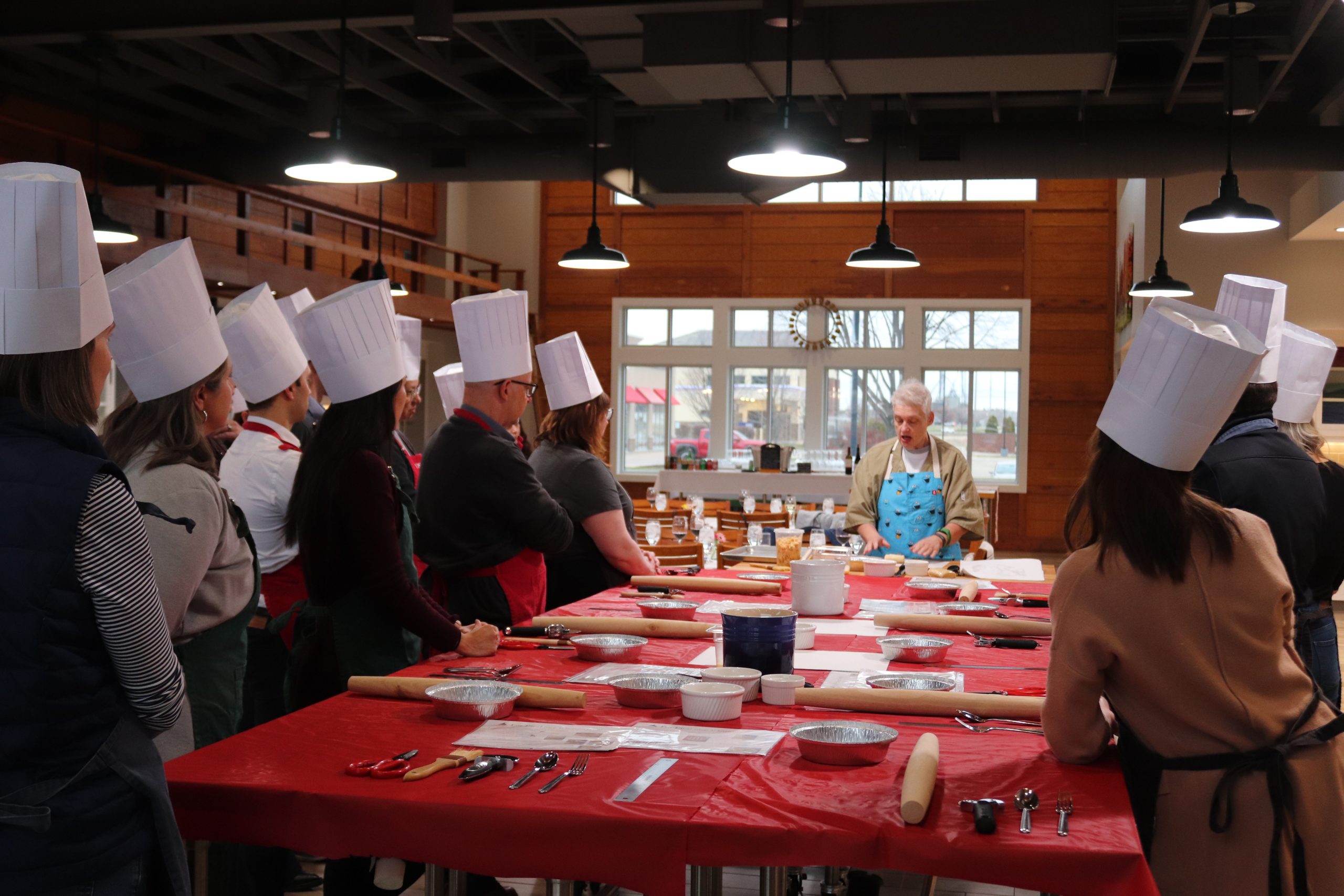
A little preparation makes learning in the kitchen easier and more enjoyable. Review the class outline, organize your workspace, and become familiar with the ingredients and equipment you'll use. Arriving prepared gives you more time to focus on technique, flavor, and creativity.
Confirm your session time, course format, recipe instructions, and any equipment or ingredients you need to bring before your lesson begins.
Check ingredient quantities and freshness in advance. Store perishable foods at safe temperatures, keep raw ingredients separate from ready-to-eat foods, and follow any preparation instructions supplied for your class.
Gather the recommended knives, cutting boards, measuring tools, cookware, and utensils. Review basic knife safety and familiarize yourself with the equipment before attempting unfamiliar cooking techniques.
Review ingredient labels and communicate allergies, dietary restrictions, or other relevant requirements before the session. Wear comfortable clothing, secure loose sleeves, and keep your work surface clean and organized.
| Topic | Practical rule | Why it matters |
|---|---|---|
| Ingredient preparation | Measure ingredients and prepare them according to the recipe before cooking begins. | Organized preparation helps you follow each step accurately and maintain a comfortable pace. |
| Cooking time | Allow extra time for preparation, cooking, tasting, and cleanup. | Developing new techniques takes practice, and rushing can affect both results and food safety. |
| Food safety | Keep raw ingredients separate from ready-to-eat foods and clean tools between tasks. | Proper handling reduces the risk of cross-contamination and supports safe meal preparation. |
| Equipment readiness | Gather essential cookware and utensils before starting each recipe. | Having the right tools ready makes it easier to focus on technique without interrupting the lesson. |