Review your class details and preparation notes before attending a workshop.

Kitchen guidelines

Safe Cooking and Shared Kitchen Etiquette

A successful cooking session is about more than following a recipe. Thoughtful preparation, safe food handling, clean workspaces, and respect for fellow learners help everyone cook with confidence and enjoy the experience.

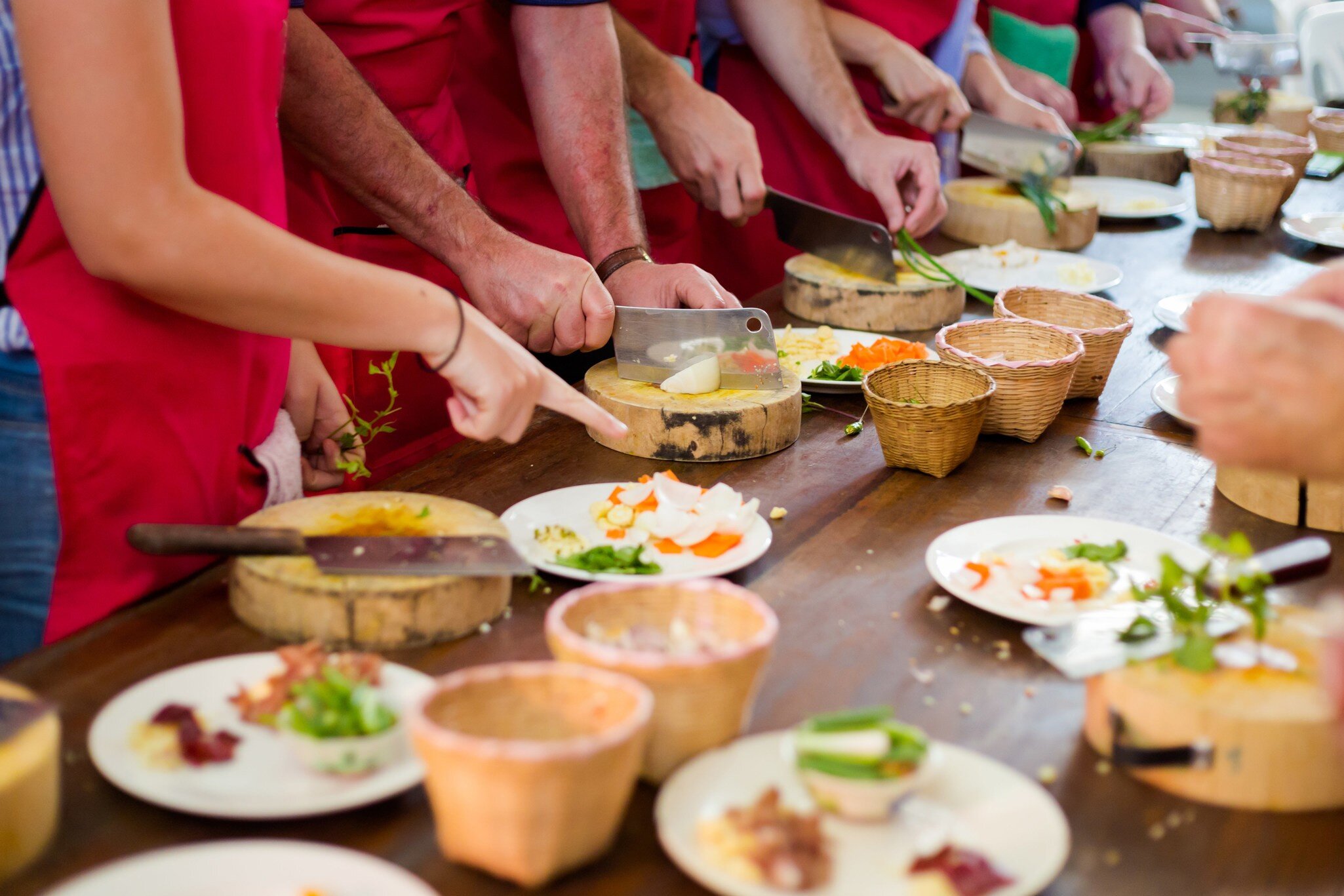
Safe cooking practices and organized kitchen preparation

Kitchen habits that help everyone learn

  • Read the recipe first: review the ingredients, cooking stages, and timing before starting to prepare a dish.
  • Keep ingredients clearly identified: check labels, measurements, and any dietary requirements before combining ingredients.
  • Handle equipment carefully: use knives, hot pans, ovens, and other kitchen tools with attention and follow the instructor's safety guidance.
  • Share the workspace: communicate with other participants, keep preparation areas organized, and allow everyone room to work comfortably.
  • Clean as you go: wipe spills promptly, keep utensils in their proper places, and follow food hygiene practices throughout the session.

Shared Kitchen Guidelines

Respect the Workspace

Cooking classes bring together people with different skill levels, dietary needs, and cooking habits. Keep shared surfaces tidy, communicate politely, and follow the instructor's guidance to make the kitchen comfortable for everyone.

Learn and Share

Participants can support one another by sharing practical tips, demonstrating techniques when appropriate, and allowing everyone enough time to practice each new skill.

Address Problems Early

If an ingredient, piece of equipment, or cooking step causes concern, pause and ask the instructor for guidance. Clarifying questions early helps prevent mistakes and keeps the session safe and enjoyable.